May 6, 2026
The concept of thermal management within a residential structure often focuses on the efficiency of heating and cooling systems, yet the physical barrier that retains that energy is equally significant. Homeowners frequently encounter various materials designed to slow the transfer of heat, but one of the most versatile and effective methods is known as loose fill or blown in insulation. This specific application involves the use of specialized machinery to distribute small particles of fiber or cellulose into the cavities and open spaces of a building. By creating a thick and seamless blanket of protective material, this method addresses the gaps that traditional fiberglass batts often leave behind. Understanding the mechanics and advantages of this technology is the first step toward achieving a more comfortable and energy-efficient living environment.
Exploring the Fundamental Composition of Insulating Materials
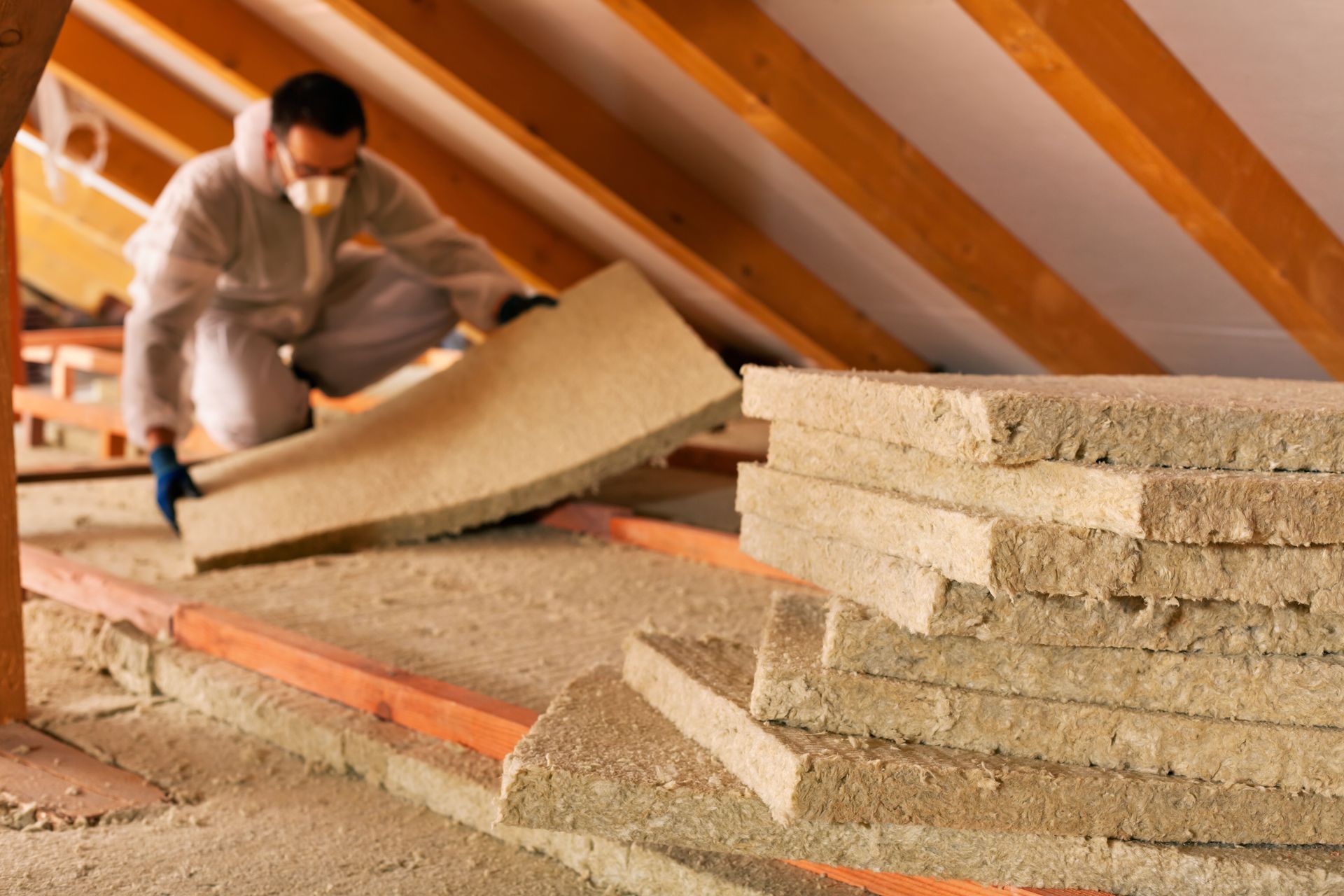
The effectiveness of blown in insulation begins with the specific materials used to create the thermal barrier. Most commonly, this solution consists of either cellulose or fiberglass that has been processed into small, lightweight clumps. Cellulose is primarily composed of recycled paper products that have been treated with chemicals to resist fire, pests, and mold growth. Fiberglass versions consist of molten glass spun into thin fibers that are then broken down into a loose consistency suitable for pneumatic distribution. Both materials are designed to trap air within their structures, which is the primary mechanism for resisting the flow of heat through the ceilings and walls of a home.
In addition to the primary fibers, the composition of these materials is engineered for maximum coverage and longevity. Because the particles are small and flexible, they can flow around electrical wires, plumbing pipes, and structural bracing that typically impede other types of insulation. This adaptability ensures that there are no cold spots where heat can escape during the winter or enter during the summer. According to Forbes Home, about nine in 10 homes in the United States are under-insulated compared with recommended levels. By choosing a material that conforms to the unique shape of every attic and wall cavity, property owners can bridge the gap between their current energy performance and the standards necessary for a modern, efficient home.
Analyzing the Mechanical Process of Pneumatic Distribution
The application of blown in insulation relies on a sophisticated mechanical system that involves a large hopper and a high-pressure hose. A technician feeds the compressed material into the hopper, where rotating blades break up the dense blocks and fluff the fibers to their optimal volume. Once the material is properly aerated, a powerful blower sends it through a long hose that can reach from a service vehicle into the furthest corners of an attic or through small holes drilled into exterior walls. This process allows for a very high degree of precision, as the operator can control the depth and density of the application to meet specific thermal resistance goals.
The second phase of the distribution process involves the strategic layering of the material to ensure uniform thickness across the entire targeted area. Unlike manual installation methods that require cutting and fitting large pieces of foam or fiberglass, the pneumatic approach creates a continuous layer that fills every nook and cranny. This is particularly beneficial in older homes where irregular framing or settled structures make traditional methods difficult to implement. The pressurized air carries the small particles into tiny crevices that are otherwise inaccessible, creating an airtight seal that significantly reduces drafts. This thoroughness is a hallmark of the pneumatic method, providing a level of protection that manual fitting simply cannot replicate.
Evaluating the Science of Thermal Resistance and R-Values
To understand how blown in insulation functions, one must examine the science of thermal resistance, which is measured by a metric known as an R-value. The primary goal of any insulating material is to create a high resistance to the conductive flow of heat. In the case of loose fill materials, the thousands of tiny air pockets trapped between the fibers act as a buffer that slows down the movement of energy. The more material that is added to a space, the higher the total resistance becomes, allowing homeowners to customize their protection based on the specific climate zone where they reside. This scalability is a major advantage for those looking to maximize their energy savings.
The density of the material also plays a vital role in its overall performance and its ability to prevent convection currents. When blown in insulation is installed at the correct density, it restricts the movement of air within the material itself, which further enhances its ability to maintain a consistent temperature. This is especially important in attic spaces where hot air naturally rises and attempts to escape through the roofline. By providing a dense and even blanket, the material reflects heat into the living spaces during the colder months and keeps the attic heat from penetrating the ceiling during the summer. This scientific approach to temperature control ensures that the HVAC system does not have to work as hard to maintain a pleasant indoor climate.
Comparing Installation Efficiency and Structural Versatility
The versatility of blown in insulation makes it a preferred choice for both new construction and renovation projects involving existing structures. In many cases, adding traditional insulation to finished walls requires removing the drywall, which is a messy and expensive endeavor. However, with the blown method, technicians can simply drill small, unobtrusive holes in the wall and fill the interior cavities without disturbing the finished surfaces. This non-invasive approach saves a tremendous amount of time and labor, making it a cost-effective solution for upgrading the thermal envelope of a historical or mid-century home. The speed of installation also means that a typical residential attic can be fully treated in just a few hours.
Beyond ease of installation, this method offers superior versatility when dealing with complex architectural features such as vaulted ceilings or narrow crawl spaces. Traditional batts are manufactured in standard widths, which often results in gaps or compressed areas when the framing of the house does not match those dimensions. Because blown in insulation is essentially a liquid-like flow of solids, it automatically fills irregular shapes and tight angles. This creates a custom fit for every single home, regardless of how the original builders spaced the studs or joists. This adaptability is why many professionals recommend this method for homes with unique layouts or those that have undergone multiple additions over the years.
Investigating the Long-Term Environmental and Financial Impacts
Investing in high-quality blown-in insulation provides a range of benefits that extend far beyond immediate temperature control. From a financial perspective, the reduction in energy consumption leads to lower monthly utility bills, allowing the initial cost of the project to be recouped over time. Furthermore, a well-insulated home puts less strain on the furnace and air conditioning unit, which can extend the lifespan of these expensive mechanical systems. By maintaining a more stable thermal environment, the materials also help prevent the formation of ice dams on the roof, which can cause significant structural damage and lead to costly repairs. These cumulative savings make it one of the most sound investments a homeowner can pursue.
The selection of a thermal barrier is a fundamental decision that dictates the comfort and efficiency of a home for many years. Blown in insulation stands out as a premier choice because of its ability to provide comprehensive coverage, its non-invasive installation process, and its high thermal resistance. Filling the hidden voids that traditional materials miss, it creates a seamless defense against the elements and significantly improves the quality of indoor life. Whether the goal is to lower monthly expenses, protect the environment, or simply eliminate cold drafts in the living room, this technology offers a reliable and scalable solution. Taking the time to understand how these materials and processes work ensures that you are making a choice that adds lasting value to your property. To learn more about the best options for your specific attic or wall needs, contact My Insulation Guy.