February 6, 2026
In recent years, the focus on energy efficiency within homes has become paramount, not only for cost savings but also for reducing our environmental impact. Professional insulation services play a crucial role in achieving better energy efficiency, making homes more comfortable and sustainable. These services enhance home energy efficiency, leading to significant financial savings and environmental benefits.
Home Insulation Basics
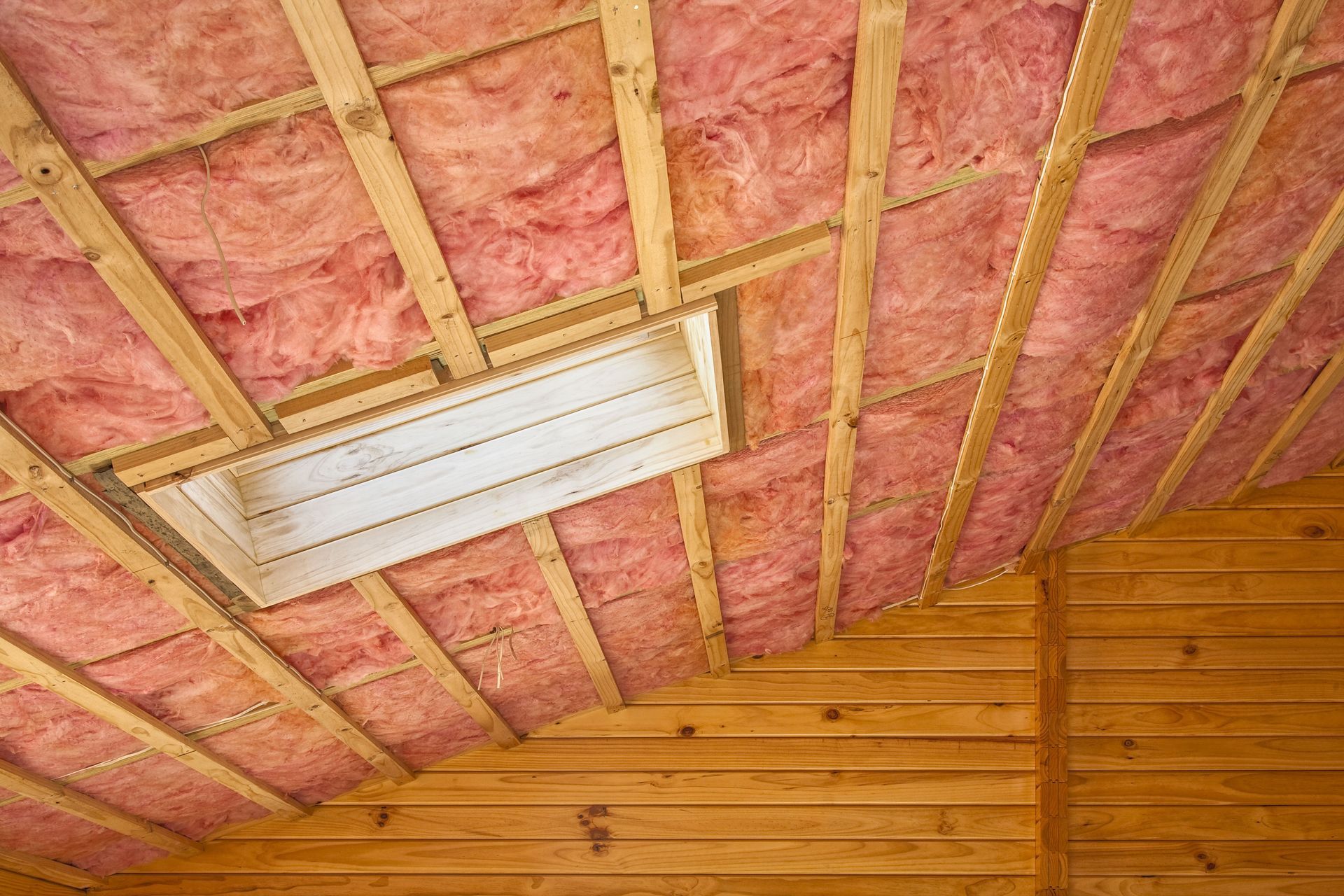
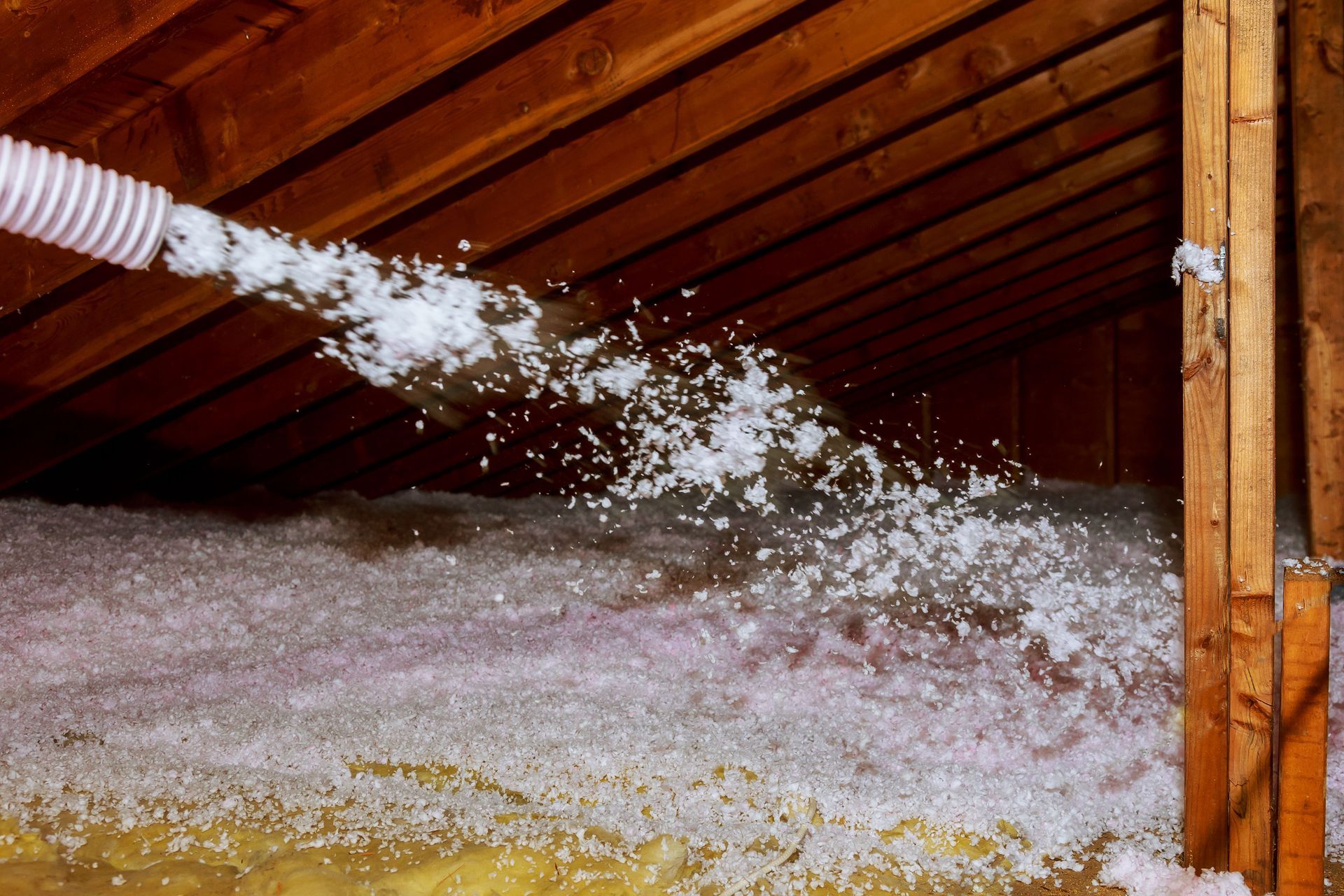
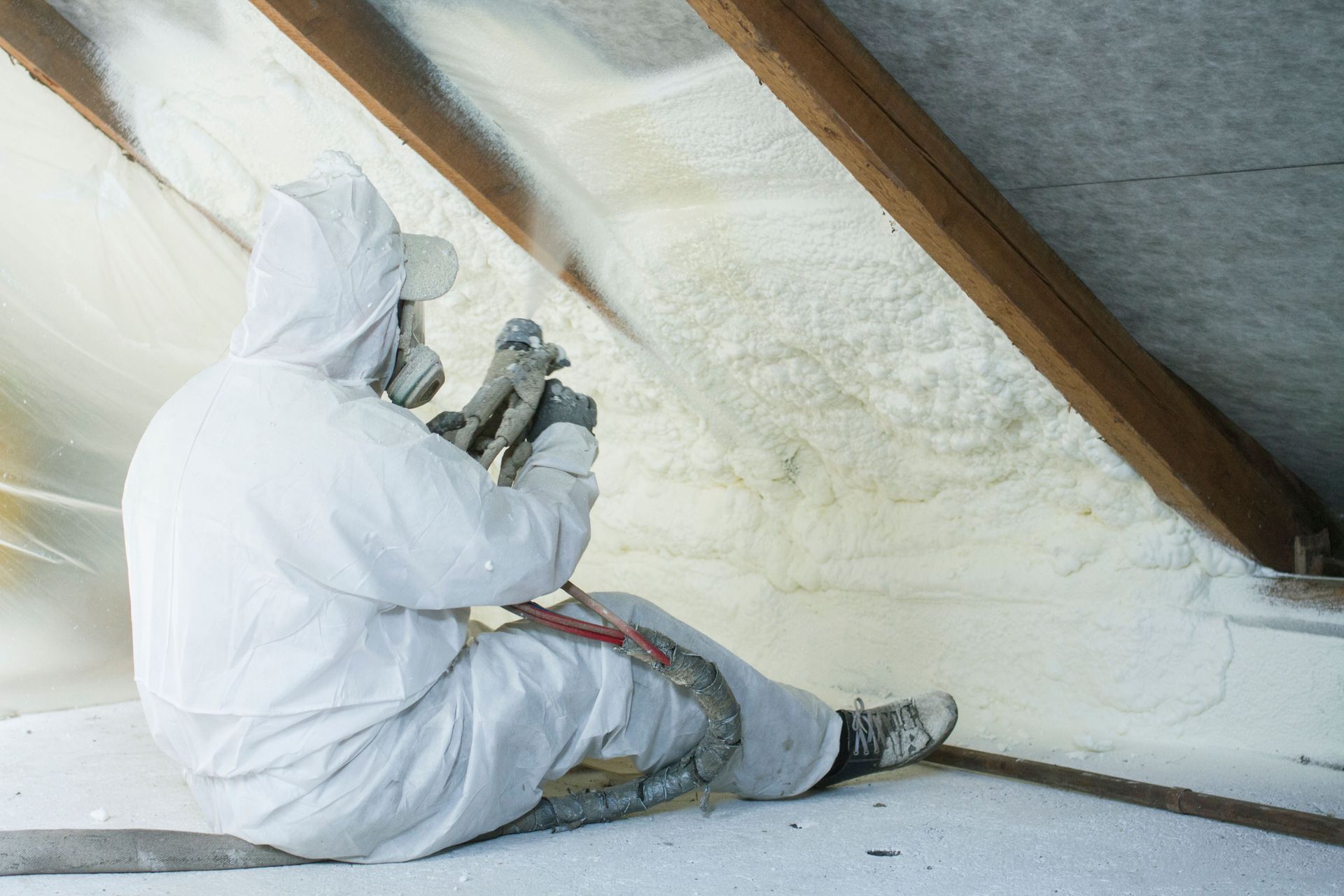
The foundation of effective insulation begins with understanding available materials and how they function throughout a home. Options such as fiberglass, cellulose, spray foam, and rigid foam board serve different purposes based on structure, climate, and performance goals. Fiberglass remains popular for affordability and versatility, while spray foam is valued for sealing air leaks and providing higher thermal resistance. Each material carries a specific R value that measures resistance to heat flow and influences energy performance. Selecting the right insulation material affects temperature control, durability, comfort, and long-term efficiency throughout the home.
Thermal resistance plays a central role in how insulation regulates indoor temperatures and reduces energy demand. Materials with higher R values slow heat transfer more effectively, helping retain warmth in colder months and block heat during warmer seasons. Because different areas of a home face varying exposure levels, insulation strategies often differ between attics, walls, crawl spaces, and basements. Spray foam may suit areas prone to air leakage, while fiberglass or cellulose works well for larger cavities. Professionals rely on thermal performance data to recommend materials that balance cost, efficiency, and environmental considerations.
Proper insulation reduces energy consumption by limiting unwanted heat exchange between indoor and outdoor environments. By decreasing the workload on heating and cooling systems, well-insulated homes experience lower utility costs and improved system longevity. Addressing gaps, cracks, and insufficient insulation minimizes air leakage, a major source of energy loss. Over time, reduced energy use contributes to lower environmental impact through decreased emissions. When insulation choices reflect material performance, climate conditions, and professional installation, homeowners benefit from improved comfort, energy savings, and a more sustainable living environment.
Professional Installation Benefits
Engaging professional insulation services provides homeowners with expert evaluation and precise insight into a home’s insulation needs. Trained specialists identify inefficiencies that may not be visible during a casual inspection, including gaps, air leaks, and aging materials. Through comprehensive assessments, professionals evaluate current insulation performance while anticipating future concerns that could affect efficiency or durability. This informed approach allows solutions to be tailored to the structure, layout, and climate demands of the home.
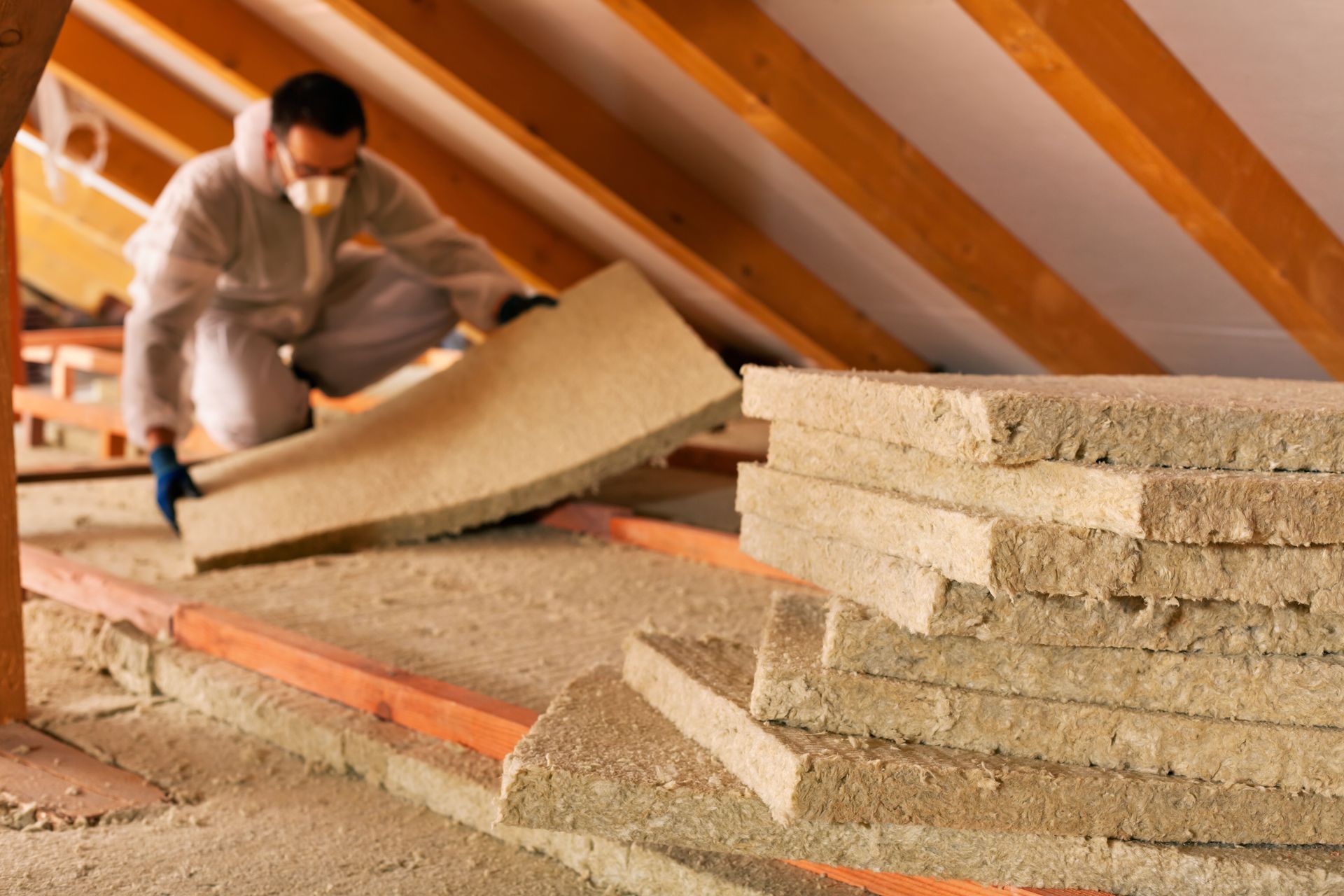
Another major benefit of professional insulation services is access to advanced materials and skilled installation techniques. Industry professionals stay current with evolving insulation technologies and source high-quality materials known for durability, safety, and strong thermal performance. Proper installation plays a critical role in insulation effectiveness, since even premium materials can underperform if applied incorrectly. Experienced installers understand placement, thickness requirements, and sealing methods that reduce air leakage and thermal transfer. Their ability to work with complex layouts and unique architectural features supports consistent energy performance throughout.
Professional insulation services also deliver long-term value through energy savings, improved comfort, and increased property appeal. According to the Environmental Protection Agency, homeowners can save around 15% on heating and cooling costs when they install insulation and seal air leaks in prominent home spaces. Reduced heat loss and gain lowers utility costs and decreases strain on heating and cooling systems. Over time, these savings help offset installation costs while contributing to a more sustainable household. Improved insulation enhances indoor comfort by stabilizing temperatures, limiting noise intrusion, and supporting healthier air quality.
Home Insulation Needs
Assessing a home’s insulation needs often begins with a comprehensive energy audit, which serves as a foundational step in identifying inefficiencies. During an audit, professionals examine insulation levels, air leaks, and thermal bridging throughout the structure. Specialized tools such as infrared cameras and blower door tests allow auditors to detect hidden problem areas that standard inspections may miss. The data gathered provides clear guidance for targeted insulation improvements and broader energy upgrades.
Identifying priority areas for insulation is the next critical phase in improving energy efficiency. Attics, basements, crawlspaces, exterior walls, windows, and doors are common sources of heat loss and air infiltration. Each area presents unique challenges, such as moisture concerns in basements or inadequate coverage in attics. Insulation professionals evaluate why these spaces underperform and recommend materials and techniques suited to their conditions. By concentrating efforts on high-impact zones, homeowners can achieve noticeable improvements in comfort and energy use.
When key areas are properly insulated and sealed, the entire home benefits from improved system efficiency. Reduced air leakage lowers the demand on heating and cooling equipment, which supports more stable indoor temperatures and reduced energy consumption. This coordinated approach enhances overall home performance rather than treating insulation services as an isolated upgrade. Over time, these improvements contribute to lower utility costs, better moisture control, and a more comfortable living environment.
Environmental and Sustainability Impact
Improved insulation plays a meaningful role in reducing a home’s environmental footprint by lowering overall energy consumption. When less energy is required to heat and cool a home, fewer fossil fuels are burned to generate electricity or fuel HVAC systems. This reduction supports lower greenhouse gas emissions and contributes to broader sustainability efforts. Over time, energy-efficient homes collectively lessen demand on power grids, supporting more responsible energy use at a community level.
Sustainable insulation options further enhance environmental benefits by incorporating recycled or renewable materials. Products such as cellulose insulation, often made from recycled paper, support waste reduction while delivering strong thermal performance. Many modern insulation materials are also designed to limit off-gassing and improve indoor air quality. By combining efficient installation with environmentally conscious materials, homeowners can align comfort improvements with responsible environmental stewardship.
Long-term sustainability is strengthened when insulation upgrades are paired with thoughtful maintenance and future planning. Durable materials reduce the frequency of replacements, which minimizes waste and resource consumption. Energy-efficient homes also remain better positioned to adapt to evolving energy standards and efficiency expectations. Through professional insulation services, sustainability becomes a practical and attainable goal rather than a short-term improvement.
Long-Term Performance and Home Value
High-quality insulation supports consistent performance over time by protecting a home against temperature fluctuations and moisture-related issues. Stable indoor conditions reduce stress on structural components and mechanical systems, which can extend their operational lifespan. Proper insulation also contributes to better humidity control, helping prevent problems such as condensation, mold growth, and material deterioration. These protective benefits strengthen the overall resilience of the home.
From a financial perspective, effective insulation enhances property value by improving energy performance and overall comfort. Buyers increasingly prioritize energy-efficient features when evaluating homes, viewing them as indicators of lower operating costs and responsible maintenance. A well-insulated home often stands out in the real estate market, particularly when supported by documented upgrades or energy assessments. This added appeal can translate into stronger resale potential and smoother transactions.
Ongoing performance benefits reinforce insulation as a long-term investment rather than a one-time upgrade. Reduced utility expenses, less maintenance concerns, and improved comfort accumulate value year after year. As energy efficiency continues to influence housing demand, insulation remains a foundational element of a well-performing home. Professional installation helps homeowners realize these benefits while supporting durability, efficiency, and lasting property value.
Professional insulation services play a vital role in improving energy efficiency, comfort, and long-term home performance. By combining expert assessment, quality materials, and skilled installation, homeowners can reduce energy use while enhancing daily living conditions. Investing in proper insulation supports lasting value, sustainability, and a more comfortable home environment. Contact My Insulation Guy today to improve your home’s comfort, energy efficiency, and long-term performance with dependable insulation professionals.