September 8, 2026
Every home has a personality, and part of that personality comes down to how well it holds its temperature. If your living room turns into a sauna every July or your bedrooms feel like a walk-in freezer come January, the culprit is often hiding in your walls, attic, and crawl spaces. Choosing the right insulation for your home isn't just a box to check off a renovation list — it's one of the most impactful decisions you can make for comfort, energy costs, and long-term property value.
The tricky part is that "insulation" isn't a single product. It's a category that includes several different materials, each suited to different areas of a house and different climate challenges. Some options prioritize affordability, others prioritize airtightness, and still others are built specifically for retrofitting older homes without tearing everything apart. Understanding the strengths of each type — and knowing when to bring in a professional — can mean the difference between a home that performs well for decades and one that keeps bleeding energy no matter how high you crank the thermostat. This guide walks through the most common insulation options, what they're best suited for, and how to think about the decision as a whole.
Understanding Why Insulation Matters
Before comparing materials, it helps to understand what insulation actually does. At its core, insulation slows the transfer of heat between the inside and outside of your home. In the summer, it keeps outdoor heat from creeping in; in the winter, it keeps the warmth you're paying to generate from escaping through the attic, walls, or floors. Without adequate insulation, your HVAC system has to work harder and run longer to maintain a comfortable temperature, which shows up directly on your utility bill.
This isn't a minor issue, either. Large-scale energy efficiency programs have been built specifically around closing this gap in homes across the country. According to the Energy Efficiency Program, one utility-run air-sealing and insulation initiative was structured around a four-year cycle aiming to reach 7,400 homes, yet it managed to serve only 1,616 homes in a single year. That kind of shortfall illustrates just how widespread the need for proper insulation really is — and how many homeowners are still living with underperforming attics, walls, and crawl spaces without realizing it. If a coordinated program backed by utility resources struggles to keep pace with demand, it's a strong signal that homeowners shouldn't wait around for someone else to flag the problem in their own house.
Evaluating Batt Insulation for Everyday Efficiency
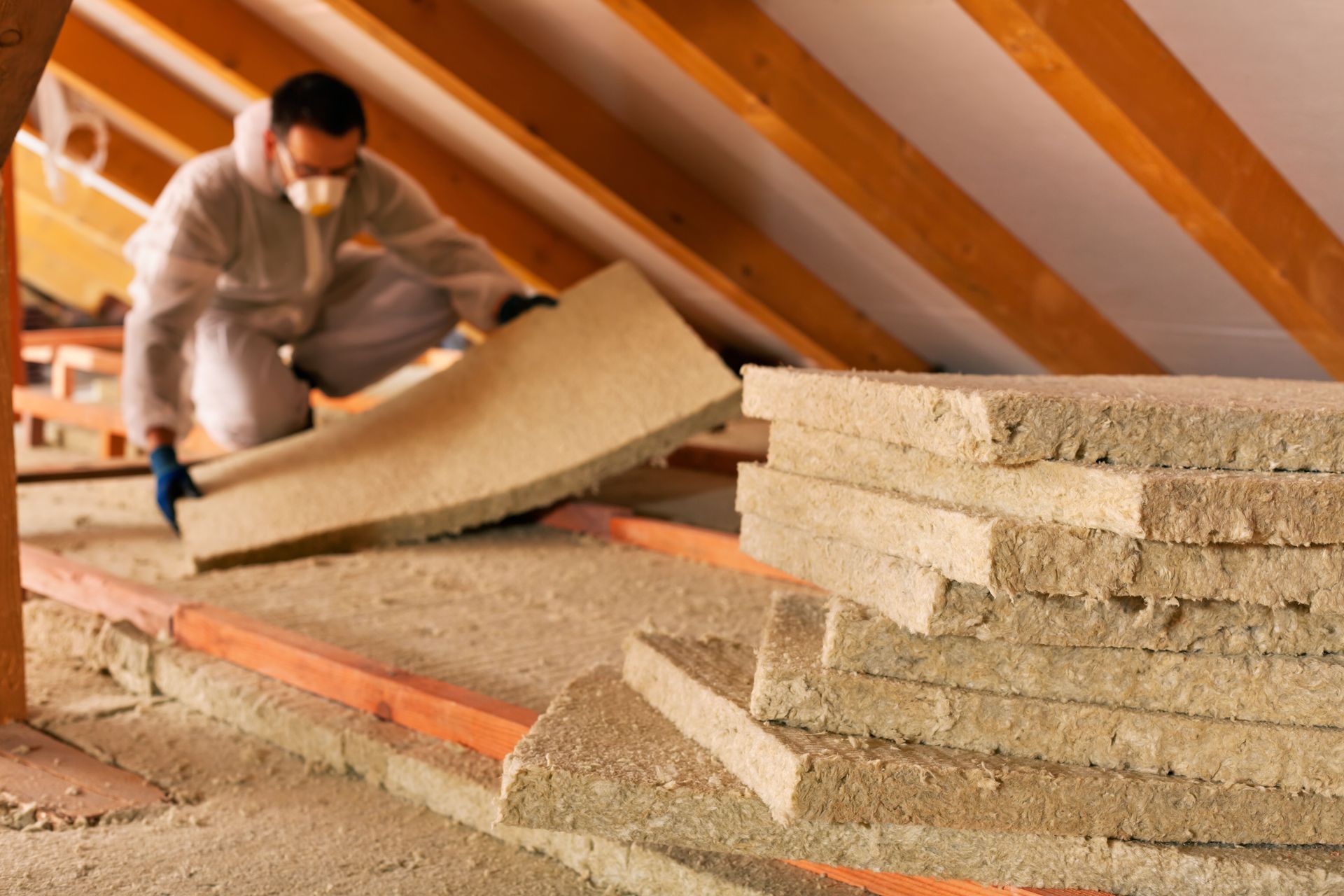
Batt insulation is one of the most widely used and recognizable forms of home insulation, and for good reason. It comes in pre-cut rolls or panels, typically made from fiberglass or mineral wool, and is designed to fit snugly between wall studs, floor joists, and roof rafters. Because it's manufactured in standard sizes, batt insulation is relatively straightforward to install in new construction or during a renovation where wall cavities are already exposed.
The appeal of batt insulation lies in its balance of cost and performance. It's generally more budget-friendly than spray foam, and when it's installed correctly — with no gaps, compression, or misalignment — it provides a reliable thermal barrier that helps stabilize indoor temperatures year-round. The catch is in that word "correctly." Batt insulation is unforgiving of sloppy installation; even small gaps around outlets, pipes, or irregular framing can create noticeable weak points where heat escapes or infiltrates. This is a case where precision matters as much as the material itself, which is why careful, professional installation makes such a difference in how well this type of insulation actually performs once the walls are closed up.
Exploring Spray Foam Insulation for Maximum Sealing
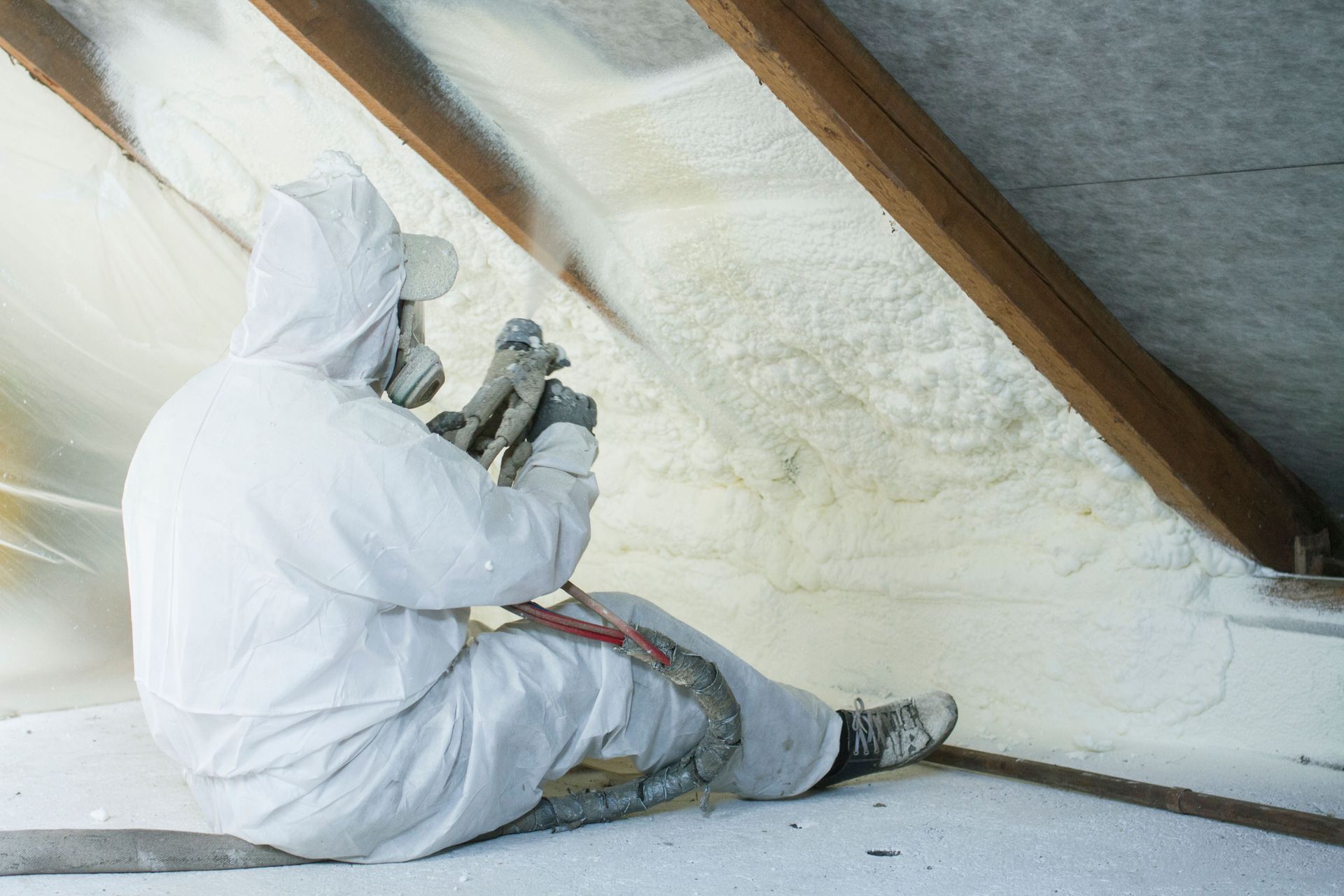
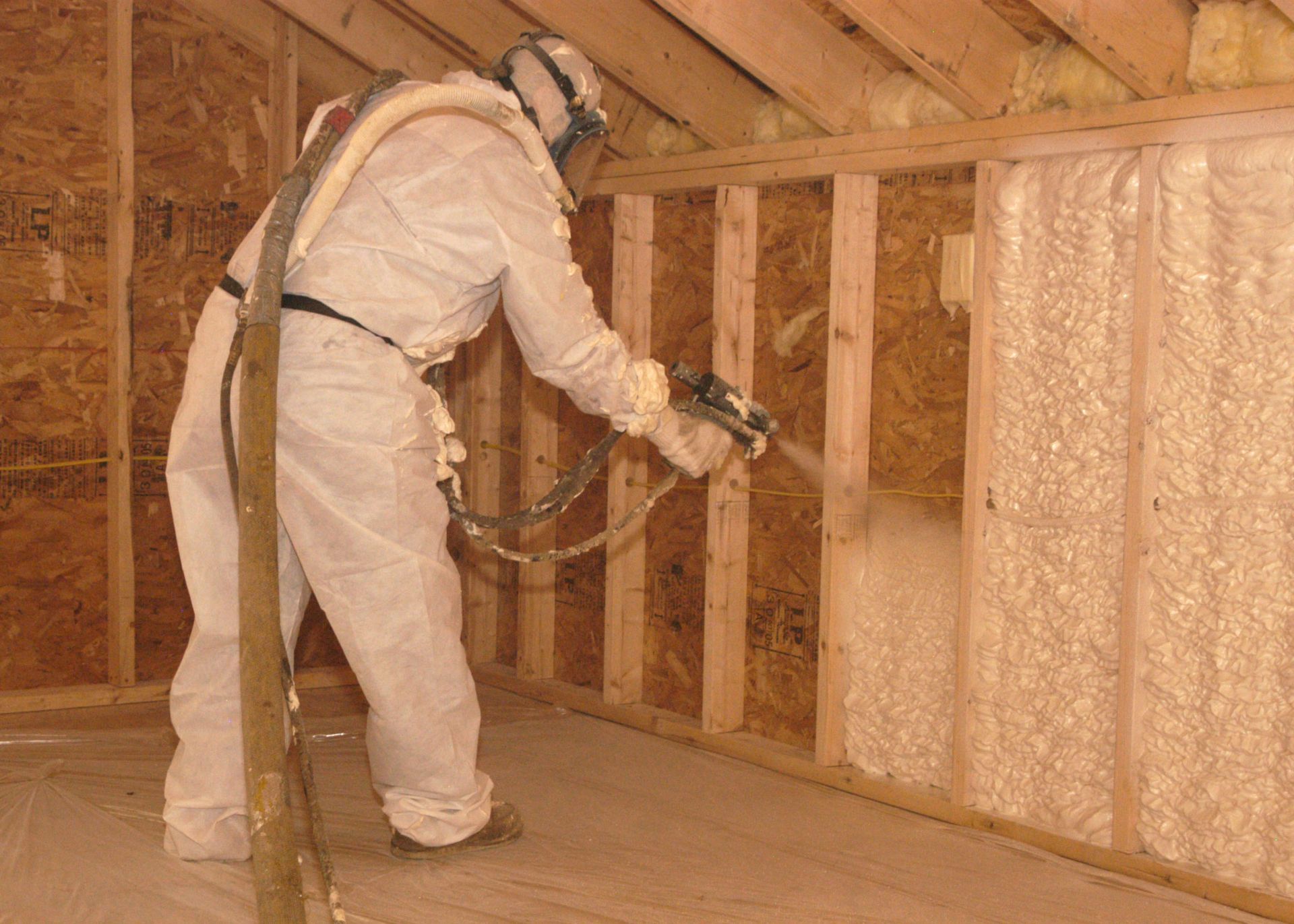
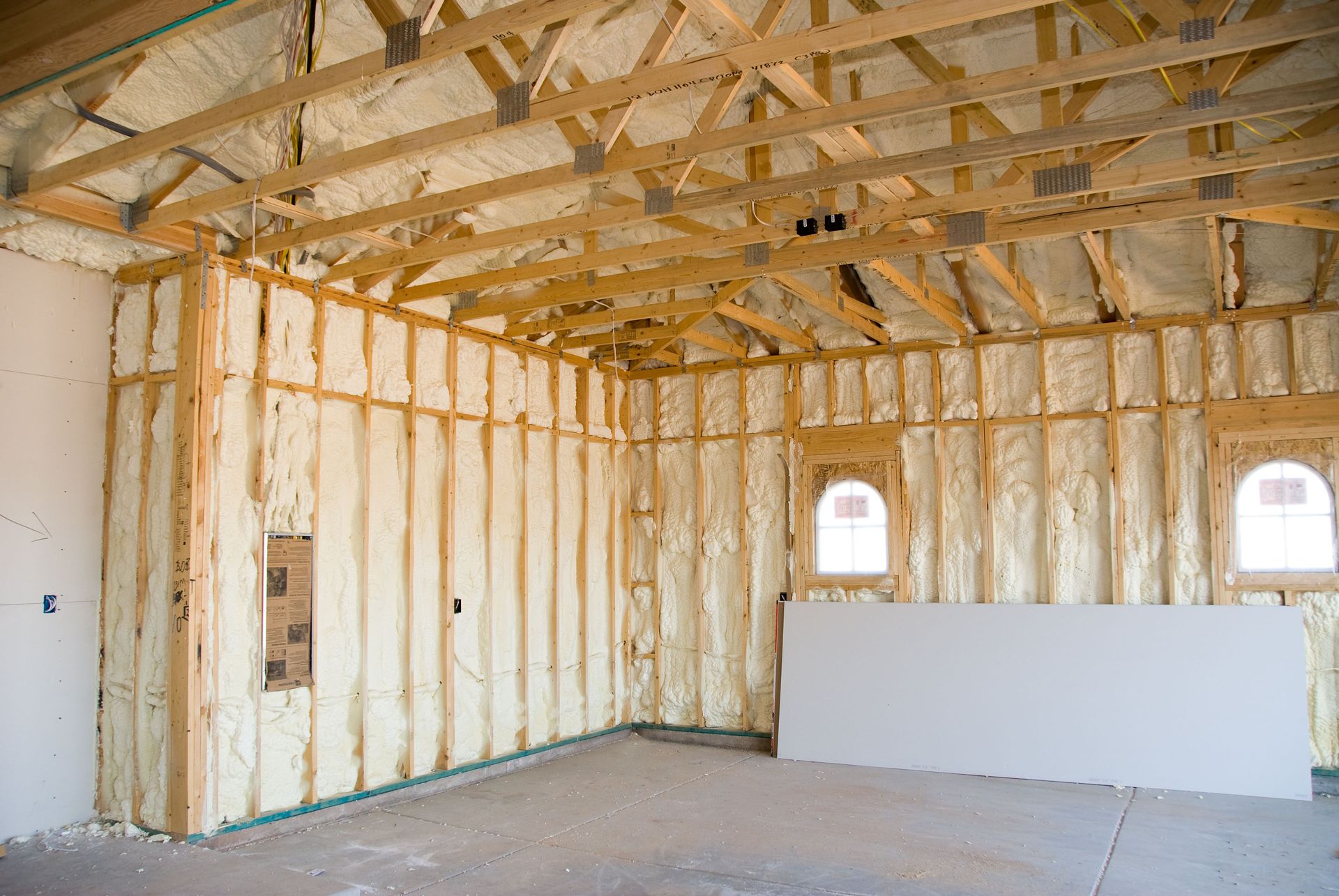
If batt insulation is the dependable workhorse, spray foam insulation is the specialist you call in for stubborn problem areas. Spray foam is applied as a liquid that expands on contact, filling cracks, gaps, and irregular spaces that rigid or pre-cut materials simply can't reach. This expansion property makes spray foam insulation particularly effective at air sealing — it doesn't just slow heat transfer, it also blocks the drafts and air leaks that are often the hidden reason a home feels uncomfortable despite having "enough" insulation on paper.
Spray foam insulation tends to be used in attics, walls, and crawl spaces where an airtight seal is the priority, especially in older homes with irregular framing or hard-to-reach corners. Because it expands and cures in place, application requires specialized equipment and a trained eye to avoid over-application, under-application, or uneven coverage. This is not a material that lends itself well to guesswork or DIY experimentation; the equipment, safety precautions, and technique required to apply spray foam insulation properly are exactly why this job is best left to trained technicians who do it every day.
Considering Blown-In Insulation for Attics
Attics are notorious for being one of the biggest sources of energy loss in a home, and blown-in insulation is often the most efficient way to address that. Rather than being installed in rigid panels or rolls, blown-in insulation is made of loose fill material that's mechanically distributed throughout the attic space, settling into corners, around obstructions, and across uneven surfaces that would otherwise be difficult to cover completely.
This method is especially valuable for existing homes, where opening up walls simply isn't practical. Blown-in insulation can be added directly over old, thin, or compacted material in an attic, boosting the overall thermal performance without a major renovation. Even coverage is the key to getting good results from this approach — thin spots or uneven distribution can leave pockets where heat escapes just as easily as if no insulation were there at all. Because achieving that consistent, full coverage requires the right equipment and technique, blown-in attic insulation is another area where professional installation pays for itself through better long-term performance.
Recognizing the Value of Professional Installation
Across every material discussed here, one theme keeps repeating: installation quality matters as much as the product itself. Insulation that's compressed, gapped, unevenly distributed, or poorly sealed can underperform dramatically compared to the same material installed with care and expertise. A homeowner might buy premium insulation and still end up with a drafty, energy-inefficient house simply because the installation didn't account for the home's specific quirks — irregular framing, older construction methods, or hidden air leaks that aren't obvious without training to spot them.
This is where working with experienced professionals becomes less of a luxury and more of a practical necessity. Professionals bring more than labor; they bring the ability to diagnose which type of insulation actually fits a given space, how much is needed for the local climate, and where air sealing needs to happen alongside insulation to get the full benefit. They also carry the safety knowledge required for materials like spray foam, along with the right tools to achieve even coverage with blown-in and batt insulation alike. Given how much energy efficiency and comfort ride on getting this right, it's worth treating installation as a skilled trade rather than a weekend project.
Choosing the right insulation for your home ultimately comes down to matching the material to the space, the climate, and the condition of your house. Batt insulation offers a dependable, cost-effective option for standard framing. Spray foam insulation excels at sealing tricky gaps and stopping drafts in their tracks. Blown-in insulation is often the most practical way to upgrade an existing attic without a full renovation. In every case, though, the quality of installation determines whether that material lives up to its potential.
If you're ready to stop guessing and start improving your home's comfort and efficiency, we'd love to help. At My Insulation Guy, we specialize in batt, spray foam, and blown-in insulation, and we'll walk you through which option makes the most sense for your home before any work begins. Reach out to us today to schedule an assessment and take the first step toward a more comfortable, energy-efficient home.